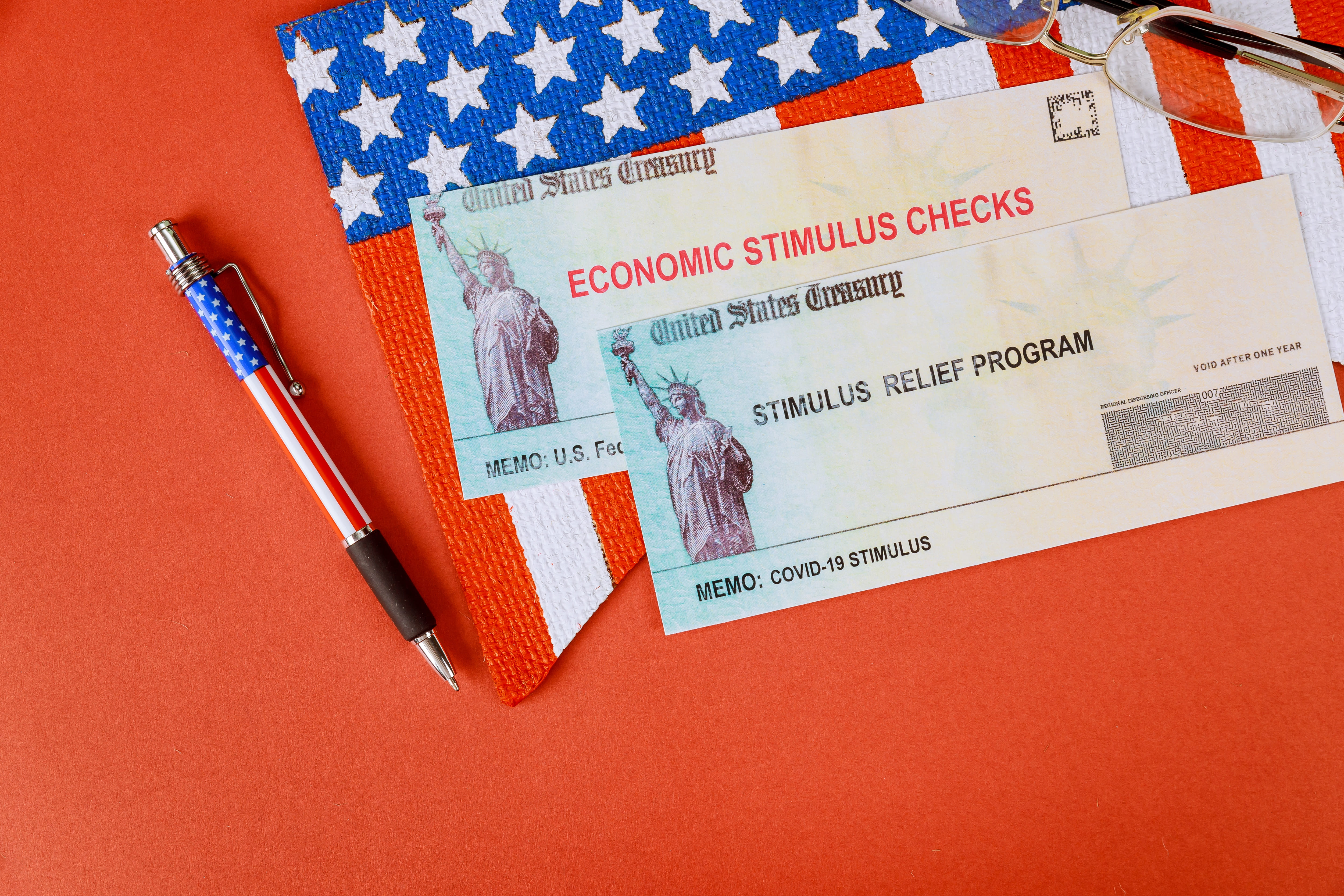

When governments issue stimulus payments, many recipients wonder about the tax implications: Are these payments taxable? How do they affect tax filings? Understanding the tax treatment of stimulus payments can help you prepare for the filing process and avoid surprises.
This article explains the tax implications of stimulus payments and what you need to know for your tax returns.
Are Stimulus Payments Taxable?
In most cases, stimulus payments are not taxable income. These payments are typically classified as tax credits advanced to eligible individuals. Since tax credits reduce the amount of taxes you owe and are not considered income, you won’t need to pay taxes on stimulus payments.
Example
In the United States, stimulus checks issued during the COVID-19 pandemic were technically advance payments of a Recovery Rebate Credit. These payments were excluded from taxable income on both federal and state tax returns.
Do Stimulus Payments Affect Tax Refunds?
Stimulus payments do not reduce your tax refund. Instead, they function as an advance on a tax credit, which is reconciled when you file your taxes. If you received the correct amount, it has no impact on your refund or tax liability.
If you didn’t receive the full stimulus payment you were entitled to, you could claim the difference as a credit when filing your tax return.
Tax Filing Considerations
1. Reporting Stimulus Payments
-
While stimulus payments are not taxable, you may need to report the amounts you received when filing your tax return.
-
Governments may use this information to confirm whether you received the correct payment amount or are eligible for additional credits.
2. Income Threshold Adjustments
-
Stimulus payment eligibility is often based on adjusted gross income (AGI) from prior tax years. If your income changed significantly in the current tax year, it could affect whether you owe additional taxes or qualify for other credits.
3. Reconciliation on Tax Returns
-
If you received less than the stimulus payment you were eligible for (e.g., due to outdated tax information), you can reconcile the amount when filing your return to receive the remaining credit.
-
If you received more than you were entitled to, most stimulus programs do not require repayment.
Common Scenarios
1. You Didn’t Receive a Stimulus Payment
-
If you were eligible but didn’t receive a payment, you could claim the amount as a refundable tax credit. Ensure your tax return includes accurate income and filing status information.
2. You Had a Major Life Change
-
Life events such as marriage, divorce, or the birth of a child can affect stimulus payment eligibility. You may be entitled to additional funds based on these changes, which can be claimed during tax filing.
3. You Received More Than You Were Eligible For
-
In most cases, you won’t need to return excess stimulus funds, but it’s essential to check specific program guidelines to confirm.
How Stimulus Payments Affect Other Tax Credits
Stimulus payments are separate from other tax credits and typically do not affect eligibility for:
-
The Earned Income Tax Credit (EITC).
-
The Child Tax Credit (CTC).
-
Education or healthcare-related tax benefits.
However, ensure you correctly calculate your income to avoid errors that could impact these credits.
Tips for Filing Taxes After Receiving Stimulus Payments
-
Gather All Documentation
-
Keep records of the stimulus payments you received, including notices or confirmation letters from the issuing authority.
-
Review your bank statements for deposit amounts if necessary.
-
Double-Check Income Limits
-
If your income fluctuated significantly between tax years, verify your eligibility for additional credits or repayment requirements.
-
Use Tax Preparation Tools
-
Many tax preparation software programs include prompts for entering stimulus payment information to ensure accurate reconciliation.
-
Consult a Professional
-
If you’re uncertain about how stimulus payments affect your taxes, seek advice from a tax professional.
Conclusion
Stimulus payments are typically not taxable and are treated as refundable tax credits. While they generally don’t impact your tax refund or liability, it’s essential to report them correctly and reconcile any discrepancies during tax filing. By understanding these implications and staying organized, you can navigate tax season with confidence.
For more insights into stimulus benefits and financial planning, visit our website, where we provide expert advice on taxes, relief programs, and economic policies.