Direct stimulus payments, often referred to as economic impact payments (EIPs) or stimulus checks, are a cornerstone of government relief efforts during times of economic hardship. These payments are designed to put money directly into the hands of individuals and families, providing immediate financial relief. However, their impact extends far beyond the recipients. The infusion of cash into the economy triggers a ripple effect, stimulating broader economic activity and helping to stabilize the economy.
In this article, we’ll explore how stimulus payments generate economic activity, affect different sectors of the economy, and create a cycle of benefits that can extend well beyond the initial payment.
What Are Stimulus Payments?
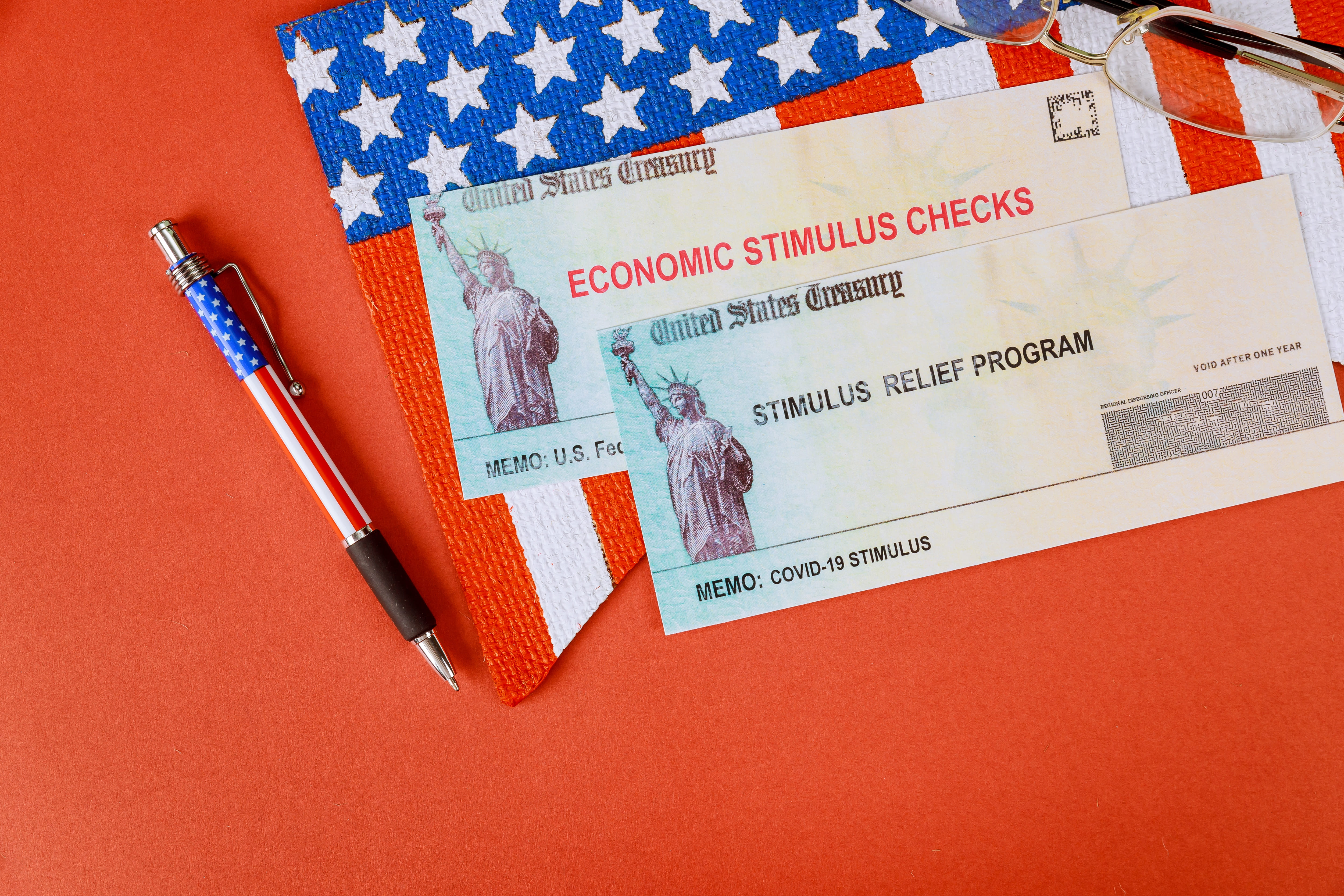
Stimulus payments are direct payments made by the government to individuals, designed to provide immediate financial relief during times of economic disruption. The CARES Act in 2020, for example, provided $1,200 for individuals and $2,400 for married couples, with additional amounts for dependents. Stimulus payments are typically intended to help individuals who are struggling financially due to events like recessions or natural disasters, with the goal of boosting consumer spending and stimulating economic growth.
How Stimulus Payments Stimulate Economic Activity
The primary goal of stimulus payments is to inject money into the economy, specifically into the hands of consumers. This increases consumer spending, which is a major driver of economic activity. Here's how this process works:
-
Increased Disposable Income
When individuals receive stimulus checks, they have additional disposable income that they can use to meet their immediate financial needs, such as paying bills, buying food, or purchasing necessary goods. This sudden increase in disposable income provides a much-needed boost to households, especially for those living paycheck to paycheck. -
Boost to Consumer Spending
Historically, consumer spending accounts for about two-thirds of the U.S. GDP. When individuals have more money, they tend to spend it, rather than save it, particularly in times of economic uncertainty. Stimulus payments often lead to a sharp uptick in consumer spending, which benefits a wide range of businesses—from grocery stores and restaurants to electronics retailers and healthcare providers. -
Support for Small Businesses
Small businesses, especially those in industries like retail, food services, and entertainment, are particularly vulnerable during recessions. When people receive stimulus checks, they often spend money in their local communities, helping these businesses stay afloat. Even a small amount of additional consumer spending can have a significant impact on local economies.
The Broader Economic Ripple Effect
The economic boost triggered by stimulus payments doesn't just stop with individual spending. The ripple effect can influence various parts of the economy, amplifying the impact of the initial payments in several key ways:
1. Increased Business Revenue and Hiring
When consumers spend more money, businesses experience increased revenue. As businesses recover from financial strain, many are able to reinvest in their operations. This can lead to:
-
More hiring: To meet growing demand, businesses often need to hire additional staff or rehire workers who were laid off during economic downturns.
-
Wage increases: In some cases, businesses may raise wages to attract workers in a tight labor market, further stimulating spending and encouraging consumer confidence.
2. Supply Chain Recovery
As businesses experience an uptick in demand, they need to restock goods and materials, which benefits suppliers and manufacturers. Increased demand leads to:
-
A boost to the manufacturing sector: As demand increases, factories ramp up production, leading to more jobs in the manufacturing and logistics industries.
-
Global trade recovery: If businesses are restocking or increasing production, suppliers in other countries can also benefit, helping to revive global supply chains that were disrupted during the crisis.
3. Debt Repayment and Savings
Some individuals may choose to use their stimulus checks to pay down debts or build up savings. While this may not immediately lead to consumer spending, it can still benefit the economy in other ways:
-
Lower credit card debt: Paying off credit card balances or loans can reduce financial strain on individuals and improve their long-term financial security. This can lead to more spending in the future.
-
Increased savings rates: In some cases, individuals may save the funds as a precautionary measure. While savings rates increase in the short term, this money may eventually be spent as consumer confidence returns and economic conditions stabilize.
4. Increased Demand for Services
Stimulus payments also indirectly support service-oriented industries, including healthcare, education, and professional services. As individuals have more money, they are more likely to:
-
Pay for medical services: Stimulus payments can help individuals cover out-of-pocket medical expenses or make appointments for non-urgent care that they may have delayed due to financial constraints.
-
Invest in education and training: With financial relief, individuals may choose to invest in education or retraining programs, which benefits educational institutions and increases their spending on goods and services.
The Multiplier Effect
The multiplier effect refers to how an initial increase in spending leads to a greater overall increase in economic activity. When stimulus payments are distributed, they trigger spending, which leads to more production and job creation, which in turn leads to more spending.
For example:
-
A person who receives a stimulus check may spend it at a local restaurant, which provides income to the restaurant owner.
-
The restaurant owner, now with additional funds, may hire more staff or purchase more supplies, which benefits suppliers and creates more jobs.
-
The staff or suppliers may then use their earnings to spend on goods and services, continuing the cycle.
This ripple effect amplifies the impact of stimulus payments and helps to stimulate broader economic recovery.
Challenges to the Ripple Effect
While stimulus payments can have a significant positive impact, there are also challenges that may dampen their effectiveness:
-
Income Inequality
Not all individuals benefit equally from stimulus payments. Those with higher incomes are more likely to save the funds, rather than spend them, which can reduce the overall stimulative effect. -
Structural Economic Challenges
In some regions, businesses and industries may be too severely impacted to recover quickly, limiting the effectiveness of stimulus payments in certain sectors. -
Inflationary Pressures
In some cases, widespread spending fueled by stimulus payments can contribute to inflation, increasing prices and reducing the purchasing power of individuals.
Conclusion
Stimulus payments play a crucial role in stimulating economic activity by increasing consumer spending, supporting businesses, and triggering a ripple effect that boosts broader economic recovery. By putting money directly into the hands of individuals, these payments help mitigate the immediate effects of economic crises, while also sparking a cycle of positive economic growth that benefits many sectors of society.
Though challenges may arise, such as income inequality or inflation, the broader economic benefits of stimulus payments can help pave the way for long-term recovery. Understanding the ripple effect of these payments is essential for appreciating their importance in times of economic distress.
For more insights on how economic relief measures like stimulus payments affect the economy, explore our website for expert resources and analyses.