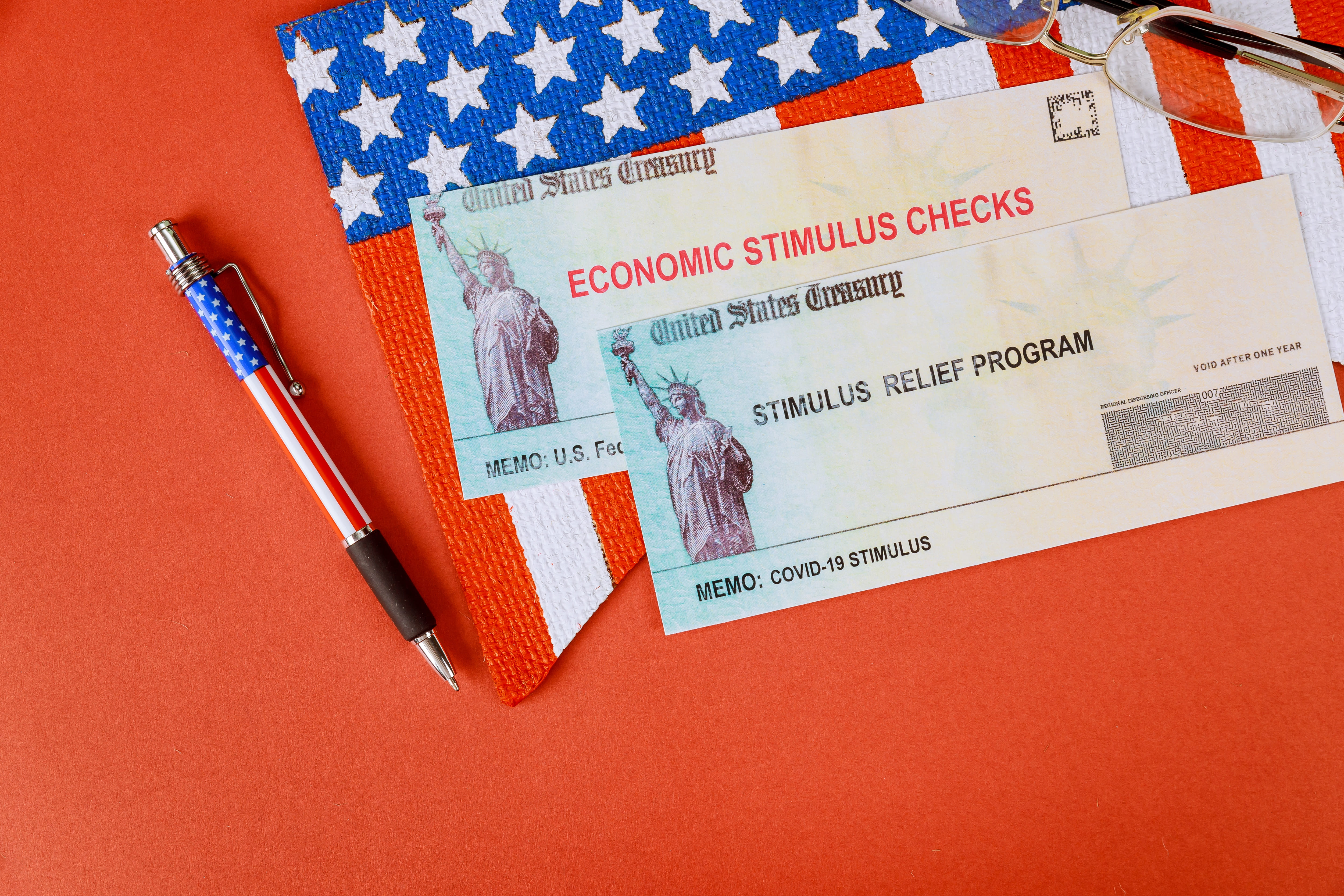
When stimulus relief is rolled out, it’s crucial to understand the eligibility requirements to ensure you can access the benefits you’re entitled to. Governments design stimulus packages to assist individuals, families, and businesses facing economic hardships, but qualification criteria can vary widely depending on the type of relief offered.
This guide breaks down the key criteria for different types of stimulus benefits, helping you navigate the process and maximize your support.
1. Direct Payments to Individuals and Families
Overview
Direct payments, often referred to as stimulus checks, are a cornerstone of many stimulus packages. These are typically aimed at providing immediate financial relief to households.
Eligibility Criteria
-
Income Thresholds: Payments are usually targeted at low- and middle-income earners. For example, individuals earning below $75,000 annually or joint filers earning under $150,000 might qualify for full payments, with reduced amounts for higher earners.
-
Tax Filing Status: Your eligibility is often based on the most recent tax return (e.g., 2022 or 2023).
-
Citizenship/Residency: Generally, U.S. citizens and qualifying resident aliens are eligible. Non-resident aliens are typically excluded.
-
Dependent Status: Adults claimed as dependents on someone else’s tax return may not qualify for individual payments but could be included in family payments.
2. Unemployment Benefits
Overview
Stimulus packages often enhance unemployment benefits, providing additional funds or extending the duration of support.
Eligibility Criteria
-
Employment Status: Must be unemployed, underemployed, or furloughed due to circumstances like layoffs or reduced hours.
-
Work History: A minimum amount of prior earnings or work history is usually required to qualify.
-
Pandemic-Related Programs: During COVID-19, additional programs extended benefits to gig workers, freelancers, and self-employed individuals who didn’t qualify under traditional criteria.
-
Compliance: Beneficiaries must typically be actively seeking work or participating in approved job training programs.
3. Small Business Relief
Overview
Small businesses often receive targeted assistance through grants, loans, or tax incentives in stimulus packages.
Eligibility Criteria
-
Business Size: Relief programs like the Paycheck Protection Program (PPP) are limited to businesses with fewer than 500 employees (or other industry-specific thresholds).
-
Operational Impact: Demonstrating revenue loss or operational disruption due to the economic crisis may be required.
-
Use of Funds: For forgivable loans, businesses must allocate a specified percentage of funds toward eligible expenses like payroll, rent, or utilities.
-
Registration Status: Businesses must be properly registered and in compliance with federal and state laws.
4. Housing Assistance
Overview
Stimulus packages often include provisions for rental or mortgage assistance to prevent evictions and foreclosures.
Eligibility Criteria
-
Income Level: Assistance is typically reserved for low- and moderate-income households facing housing insecurity.
-
Proof of Hardship: Documentation of income loss, job loss, or increased expenses due to the crisis is often required.
-
Residency: Only renters or homeowners occupying the residence as their primary home may qualify.
-
Landlord Participation: Some programs require landlords to agree to specific terms to participate in rental assistance initiatives.
5. Healthcare and Childcare Support
Overview
Healthcare and childcare provisions aim to reduce costs for families and individuals during economic hardships.
Eligibility Criteria
-
Income-Based Subsidies: Programs may offer expanded Medicaid eligibility, reduced premiums for marketplace insurance plans, or subsidies for childcare expenses based on household income.
-
Employment Status: Working parents or guardians may qualify for childcare support, especially if they are essential workers.
-
Family Composition: Benefits may be tied to the number and age of dependents in a household.
6. Tax Benefits
Overview
Stimulus packages often include tax credits or deductions to reduce financial burdens.
Eligibility Criteria
-
Income Requirements: Credits like the Earned Income Tax Credit (EITC) or Child Tax Credit are typically income-based.
-
Filing Obligations: Taxpayers must file returns to claim these credits, even if they don’t owe taxes.
-
Specific Conditions: Eligibility may depend on factors like number of dependents, childcare expenses, or education-related costs.
Steps to Ensure You Qualify
-
Stay Informed
-
Regularly check government websites for updates on eligibility criteria and application deadlines.
-
Maintain Accurate Records
-
Gather required documents, such as tax returns, income statements, and proof of hardship.
-
Apply Early
-
Relief programs often operate on a first-come, first-served basis. Submitting applications promptly can improve your chances.
-
Seek Assistance
-
If you’re unsure about eligibility, consult with a tax professional, financial advisor, or nonprofit organization for guidance.
Conclusion
Eligibility for stimulus benefits depends on various factors, including income, employment status, and specific program requirements. By understanding these criteria and preparing documentation, individuals and businesses can ensure they access the relief they’re entitled to.
For more guidance on navigating stimulus programs and maximizing benefits, explore our website’s comprehensive resources and expert insights.